
Are you wondering why it’s hotter in the city than in rural areas? The answer is surprisingly obvious. The Youth Promise Environmental Impact Program with Project Imo did research on different temperatures in different parts of Willimantic, and they found that areas with a lot of concrete are much hotter than areas with more trees.
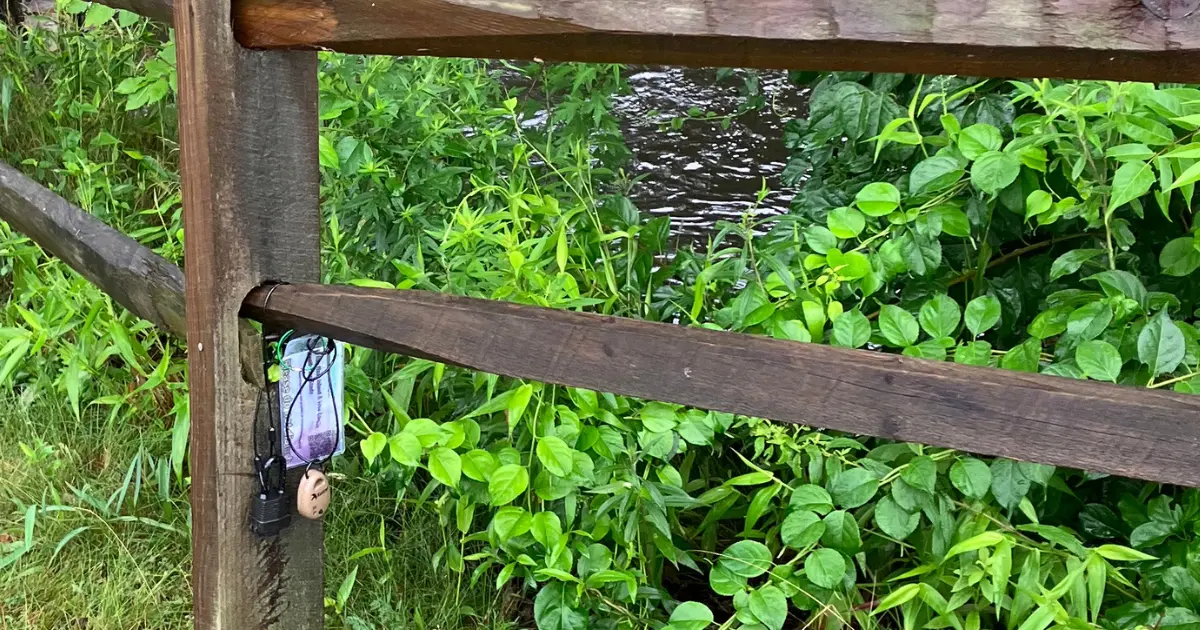
Using devices called “Kestrel Drops” the Urban Heat Island team measured the temperature, heat index, relative humidity, and atmospheric pressure. These devices take note of this data every 10 minutes, and once these devices connect via Bluetooth with the Kestrel Link app, they automatically upload all that data to a mobile device.
The Urban Heat Island team placed several of these devices in different spots around Willimantic so they could take the temperature in different areas at the same time of day to see how much of a difference location can make.
In the photo you can see temperature data we collected from two Kestrels, one located at Dairy Queen, and one located at Whitewater Park, a nature park in downtown Willimantic around 650 feet away (1/10th of a mile). This is an 18° difference.
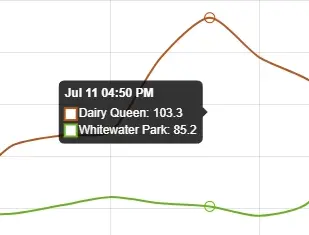
Temperature data from July 11, 2026 show a sharp contrast between two Willimantic monitoring sites, with Dairy Queen reaching 103.3°F while Whitewater Park measured 85.2°F. For more data from the summer study, visit the Project Imo website to view an interactive map.
We believe this is because Dairy Queen is surrounded by a lot of concrete and has very few trees, while Whitewater Park has barely any concrete, a lot of trees and a river right next to it. Concrete absorbs and radiates heat from the sun, so areas with a lot of concrete can be 7-18° hotter than areas nearby. That may not sound like much but consider this example of it being a significant difference. Humans’ average body temperature is about 98° Fahrenheit. If the human body temperature was just 7 degrees warmer (105°), they would most likely be dead.
The temperature being so drastically different in places 650 feet apart is a big problem because it can cause a lot of health issues like heat exhaustion or heat stroke. This is especially bad for people who work outside or walk to work like many people do in cities. To solve this problem, we believe that we need to plant a lot more trees in urban areas. This solution also has the added bonus of improving air quality, which is definitely needed in cities. Another thing we can do is have rooftop gardens which will cool down the building and keep the roofs from absorbing heat. According to eco home genius (https://ecohomegenius.com/rooftop-garden-cooling-benefits/) it can reduce air conditioning costs by up to 25%. If your monthly AC bill is $220, that is $55 off.
We know that this is possible because some cities are already doing it. For example, Singapore has so much greenery it is known as the “Garden City.” They have been working towards making the city green as possible since the 1960s. Our community needs to follow their lead.